


If someone asked me, “What is the one book you would recommend reading to understand Afghanistan?” I would not hesitate for a moment.
My answer would be: Qais Akbar Omar’s A Fort of Nine Towers.
And I say this having already read around thirty books in my “literary journey” through the country, including the international bestsellers of probably the best-known Afghan author in the world, Khaled Hosseini.
Hosseini is undoubtedly a compelling and deeply moving writer. But if you truly want to see and feel Afghanistan “from the inside,” do not hesitate: this is the book that will immerse you emotionally in the country - and stay with you for a long time afterwards.
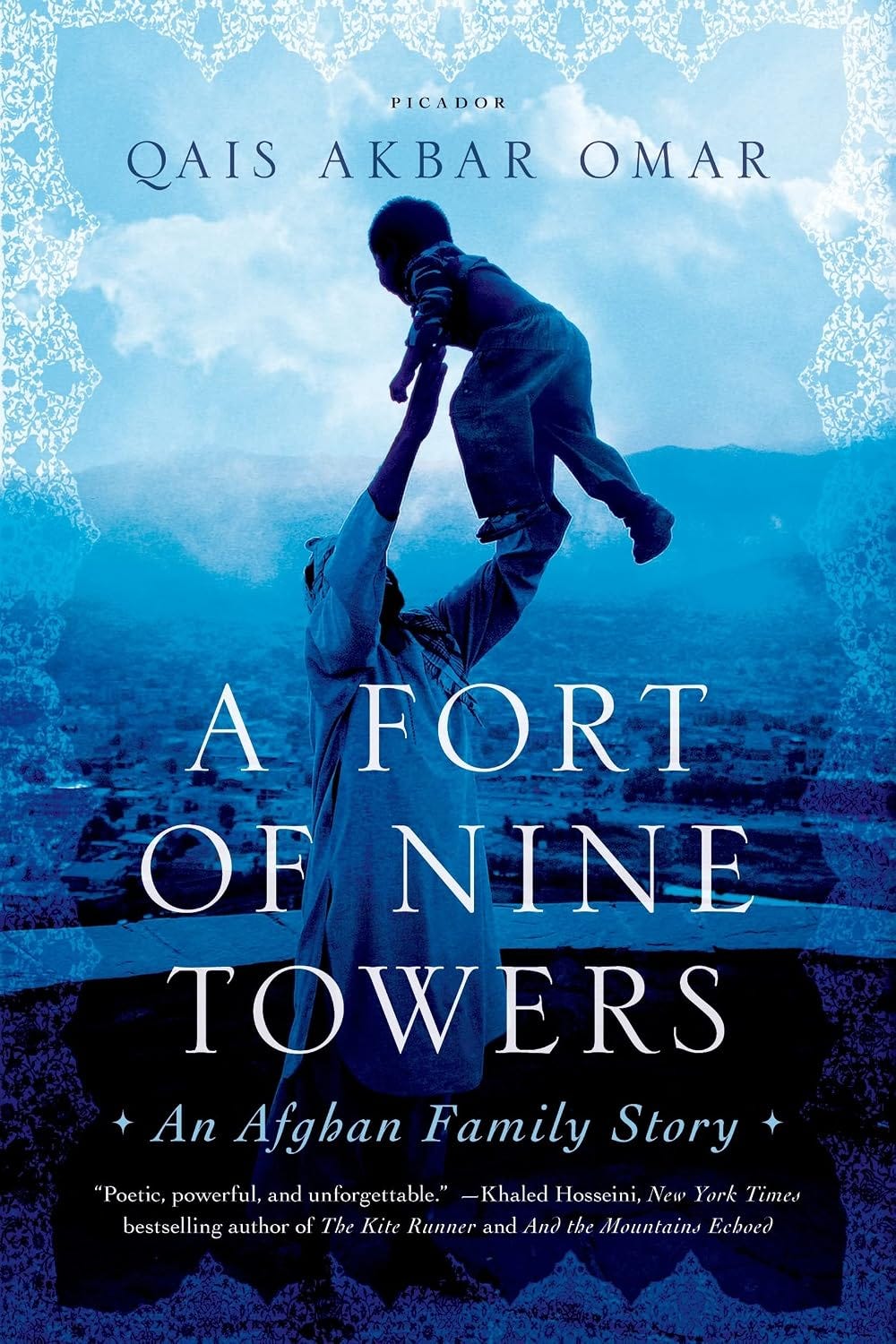
In form, it is the memoir of an Afghan boy recalling roughly thirty years in the life of his family - from around the beginning of the Soviet invasion of Afghanistan to the war waged by the United States and its allies against the Taliban and al-Qaeda.
But this is not simply another chronicle of foreign interventions and civil war that brought so much horror and suffering to the Afghan people.
It is, rather, a vivid story of an ordinary family’s life, seen through the eyes of an ordinary Afghan boy.
At times, this account is genuinely terrifying and painful. But it is also so emotional and open that you begin to feel almost physically present beside the people in the book.
You will witness not only cruelty, radicalism, aggression, and violence - things that have almost become synonymous with Afghanistan - but also deeply human qualities such as courage, generosity, empathy, hospitality, and self-sacrifice.
You will see how humanity becomes the decisive, perhaps even the only, value when material possessions have lost all meaning.
When respect, friendship, and love become stronger than hatred and cruelty.
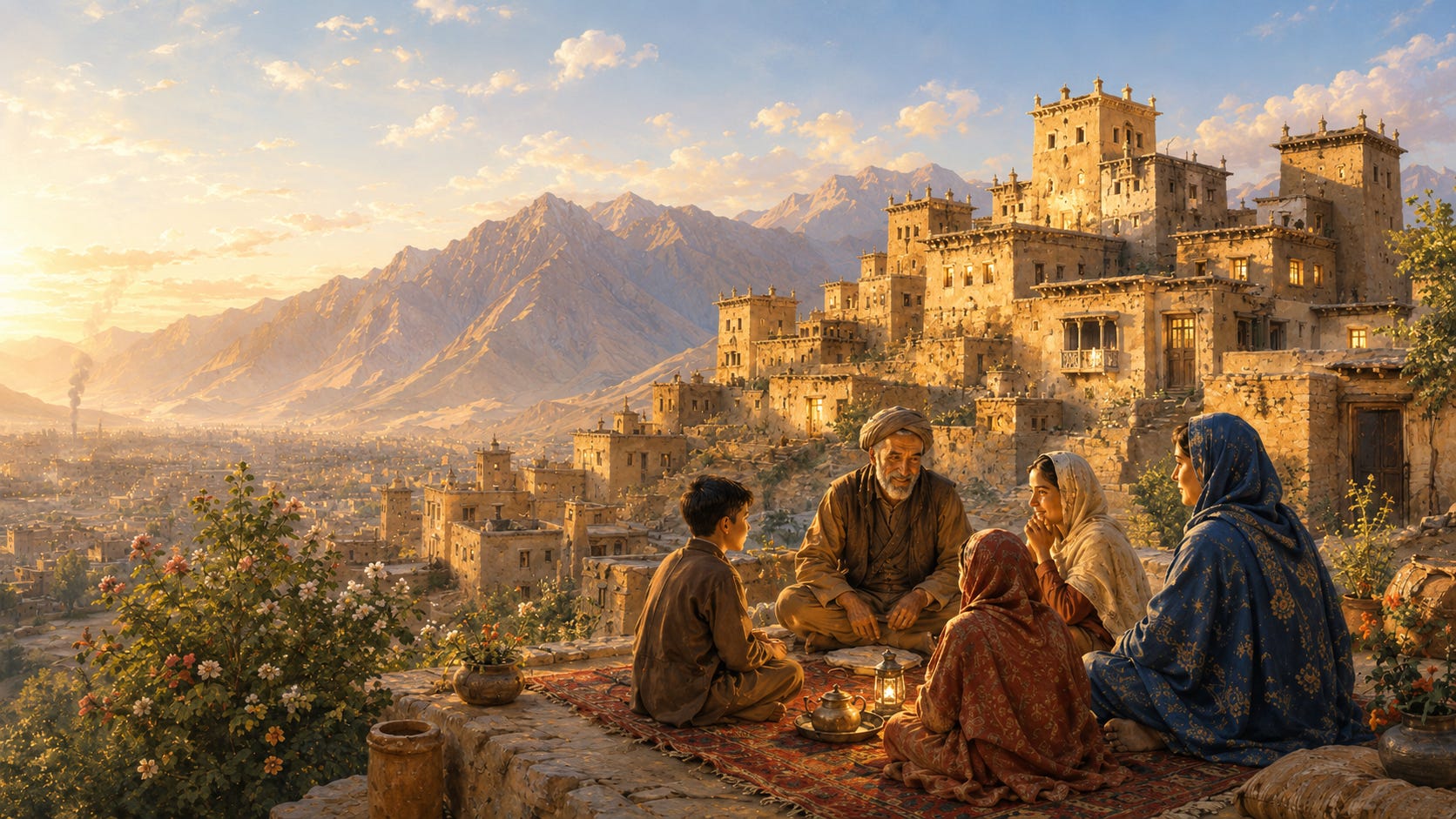
Together with Qais’s family, you will cry and laugh, witness deaths and births, travel in an old Soviet Volga across mountain passes, sleep under the open sky beside a mountain river, and escape from a sudden flood.
You will find shelter with complete strangers who share their roof and their last piece of bread with you, live with nomads in their tents, and travel alongside a caravan of camels.
You will sleep in caves above the heads of the giant Buddha statues carved into the cliffs of Bamiyan, weave carpets alongside Turkmen craftsmen, fly in a Soviet helicopter, hide from mujahideen snipers, endure beatings in a Taliban prison...
And still hope for something better.
And sometimes you will simply sit together as one large family over dinner, look up at the stars, and enjoy the simple fact that you are together.
The emotional message of the book is perhaps best expressed by the author himself:
“I have long carried this load of griefs in the cage of my heart. Now I have given them to you. I hope you are strong enough to hold them”.
The book has won numerous prizes and distinctions and has been translated into more than twenty languages.
But for me, its greatest value is the opportunity it gives us to check the settings of our own system of values once again - and to see how wide a range of feeling our emotional intelligence is still capable of:
how much we ourselves are still able to sympathise, fear, love, lose, and hope together with another human being.