


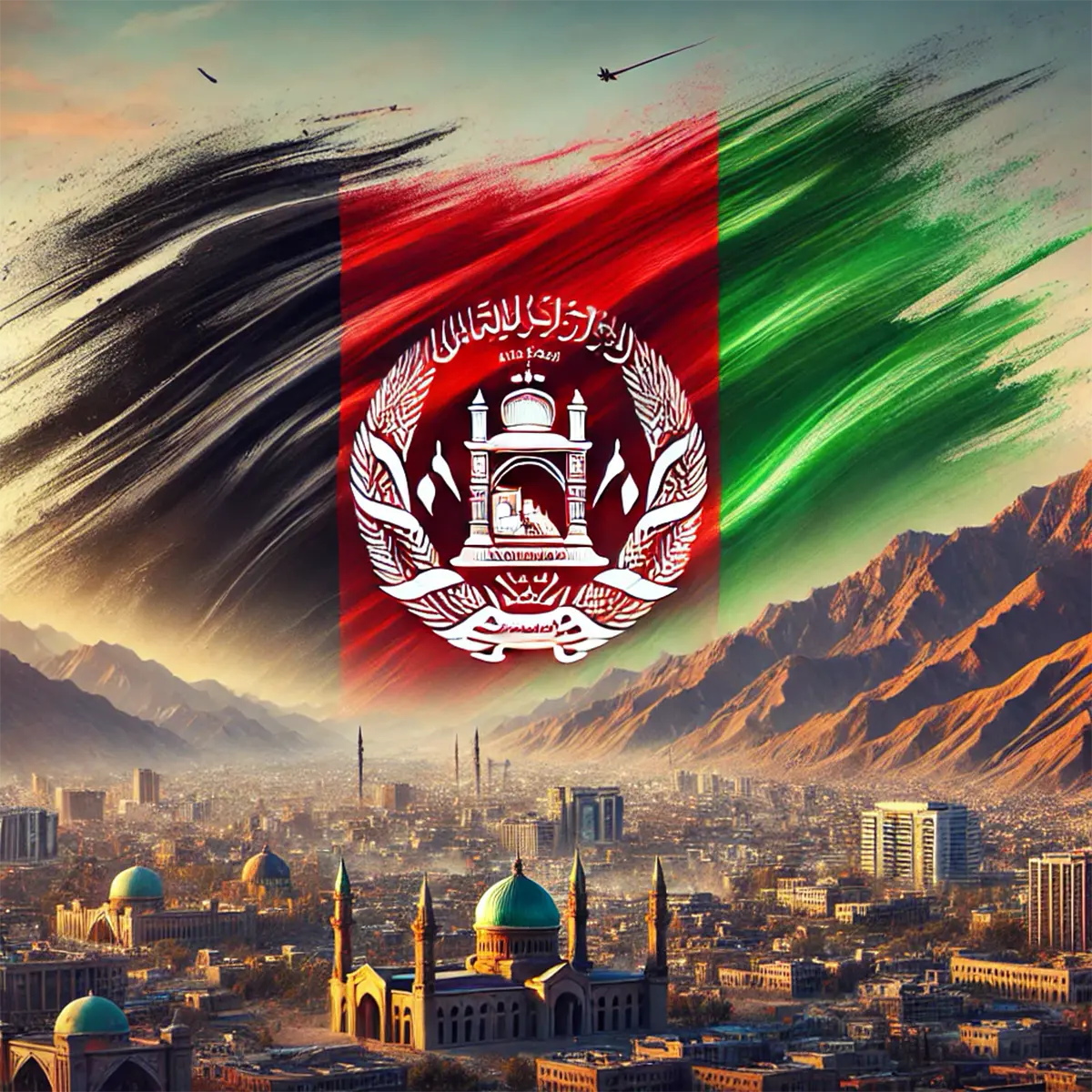
If you tried to tell the political history of Afghanistan using only its flags, you would get a surprisingly accurate picture.
Few countries have changed their flag so often. The exact count varies depending on whether short-lived and transitional versions are included, but overall, during the twentieth and twenty-first centuries, Afghanistan changed its flag almost 30 (!) times.
And almost every time, it meant the same thing:
a new regime had come to power and wanted to show that a new Afghanistan was beginning.
First, There Was Black
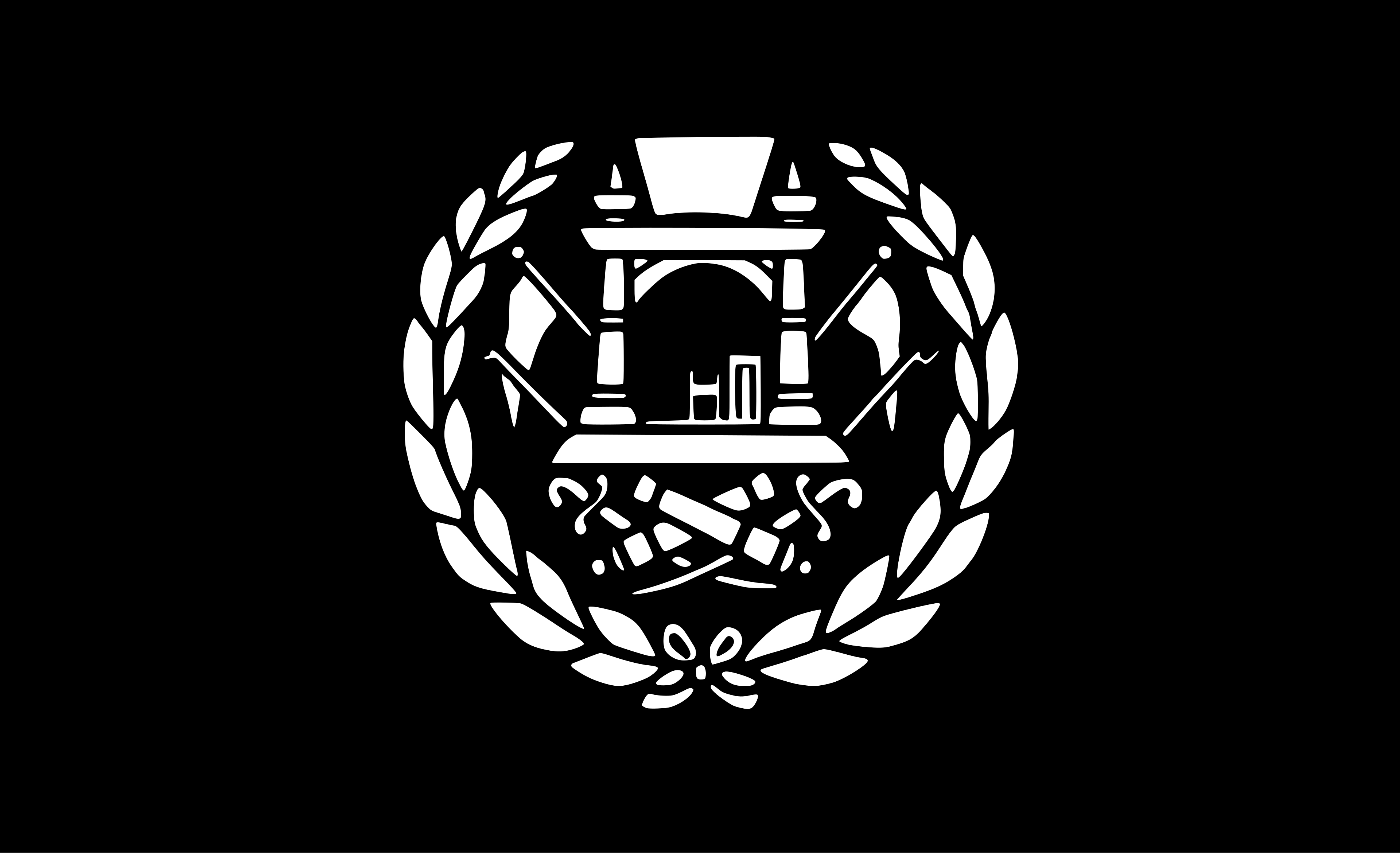
At the beginning of the twentieth century, the flags of the Afghan emirs were mostly black, often with a white state emblem showing a mosque, weapons, and other symbols of monarchy and Islam.
Religious inscriptions had already been used on Afghan military banners in the nineteenth century.
And then came King Amanullah Khan.
It was under him that, after the war of 1919, Afghanistan achieved full independence in its foreign policy.
Amanullah wanted to modernise the country, and after his major tour of Europe he set about changing not only the state itself, but also its symbols.
In 1928, the Loya Jirga approved a black-red-green tricolour.
This was a radical departure from the old black monarchical flag and a deliberate move towards the European model of a national flag.
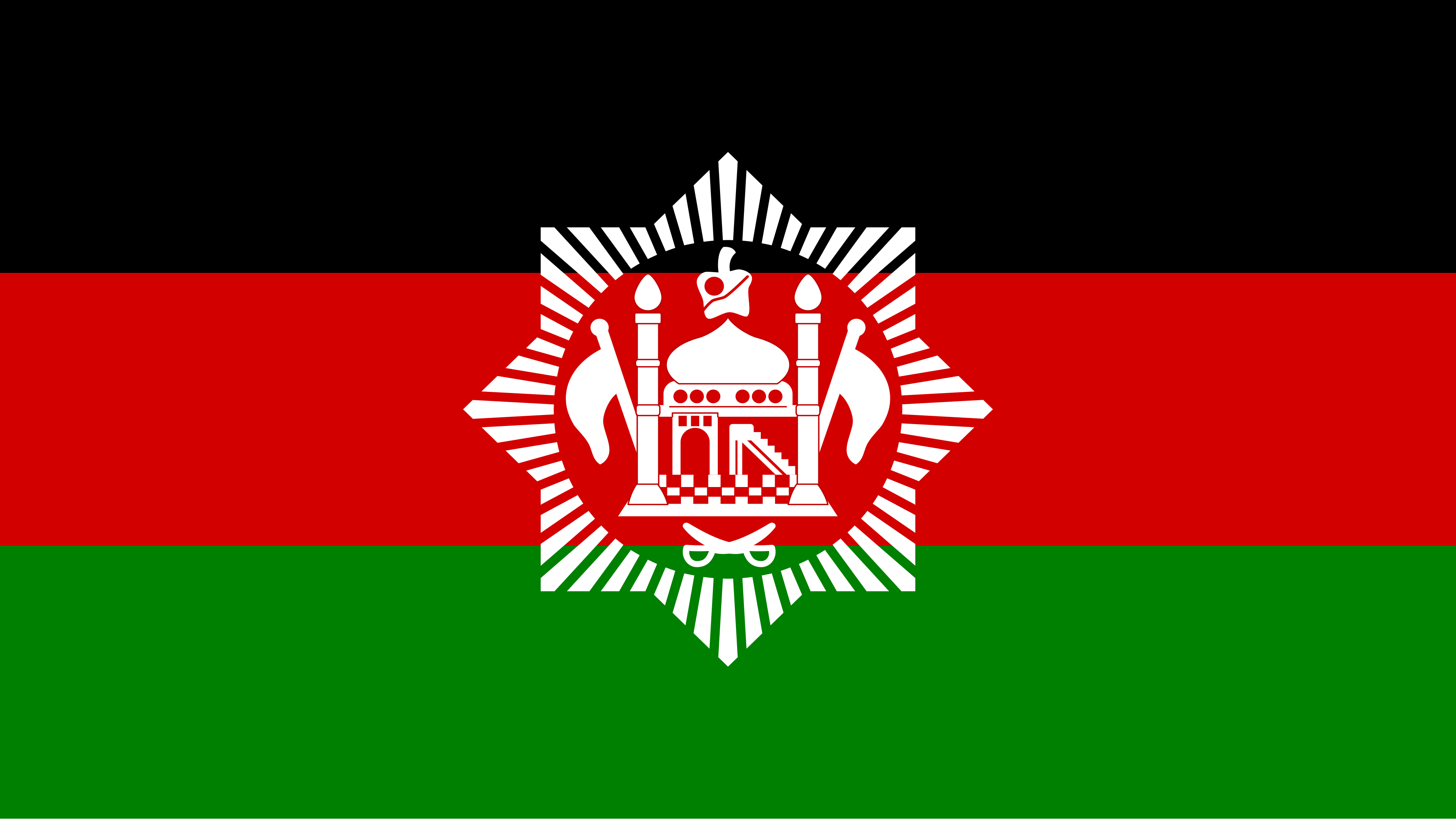
Amanullah himself explained the colours roughly like this:
black - Afghanistan’s past;
red - the blood shed for independence;
green - prosperity and hope for the future.
There is even a version of the story that Amanullah was additionally inspired by the German flag, which he saw during his European journey.
But one thing can be said with confidence: for the king himself, the new flag was part of a much larger project to modernise the country.
And although Amanullah was overthrown the following year, black, red and green outlived him.
A Mosque in the Middle of the Flag
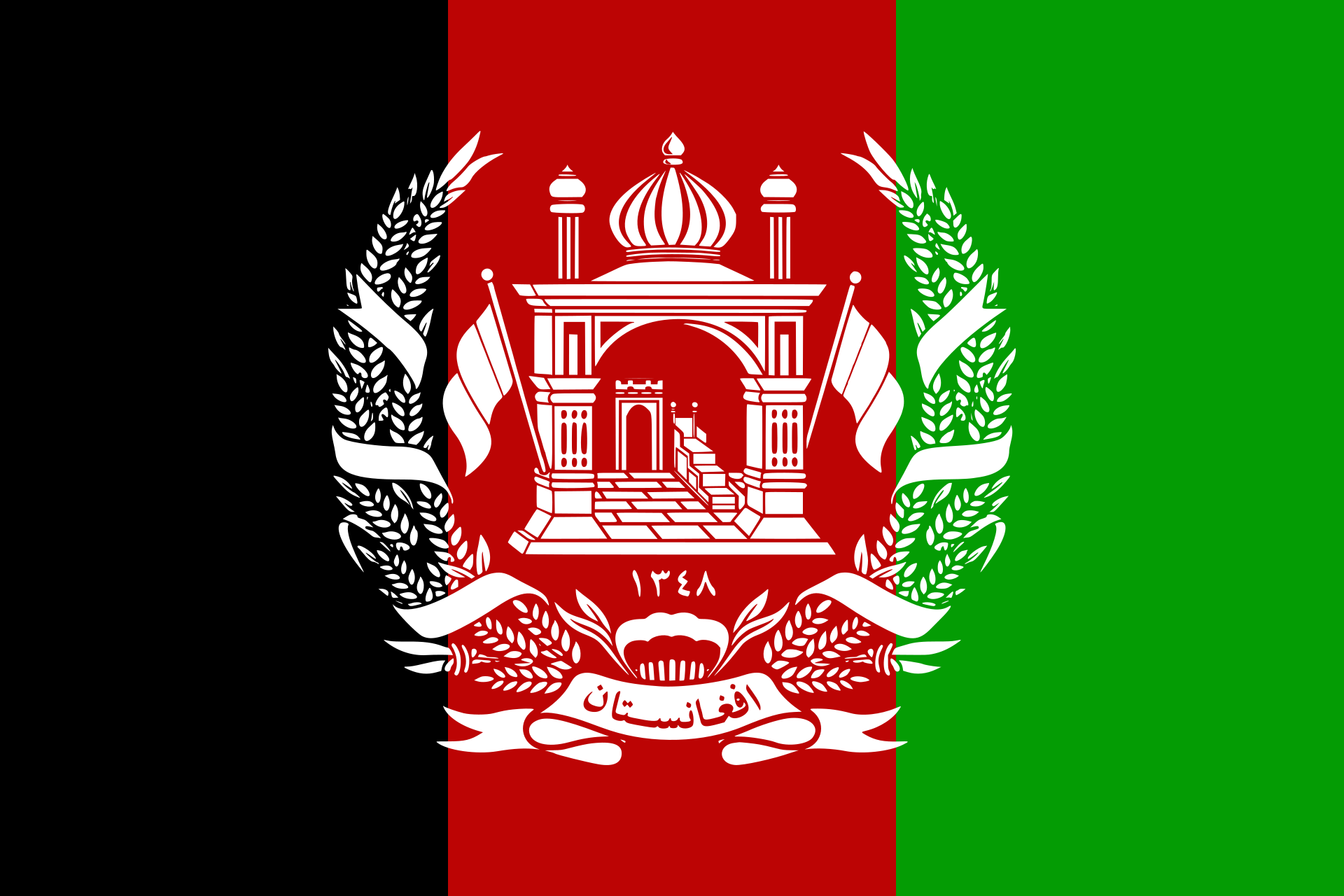
Under the next monarchy, the tricolour returned, but traditional Afghan symbolism reappeared in the centre.
The most recognisable element became a mosque with a mihrab and minbar, surrounded by sheaves of wheat.
The details, inscriptions, and shape of the emblem changed in different versions, but this image proved remarkably durable.
For a long time, then, Afghanistan’s flag was a kind of combination of two worlds:
European in the form of the tricolour - and Islamic in the content of the central emblem.
Then Came the Communists
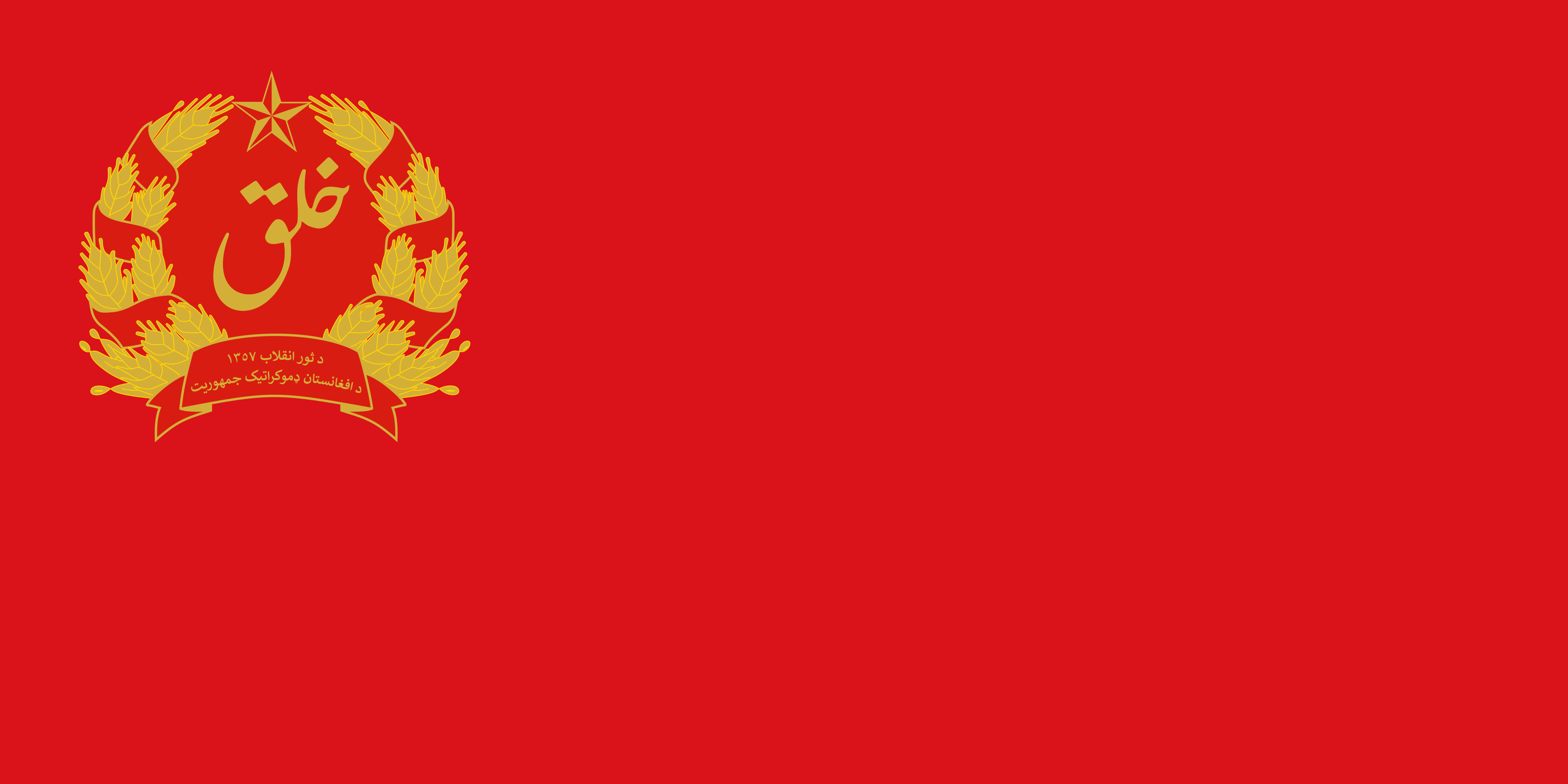
In 1978, after the Saur Revolution, the People’s Democratic Party of Afghanistan seized power.
And the flag changed again.
For a time, Afghanistan had an almost entirely red flag with a golden emblem - symbolism that was openly revolutionary and clearly resembled the flags of other socialist states.
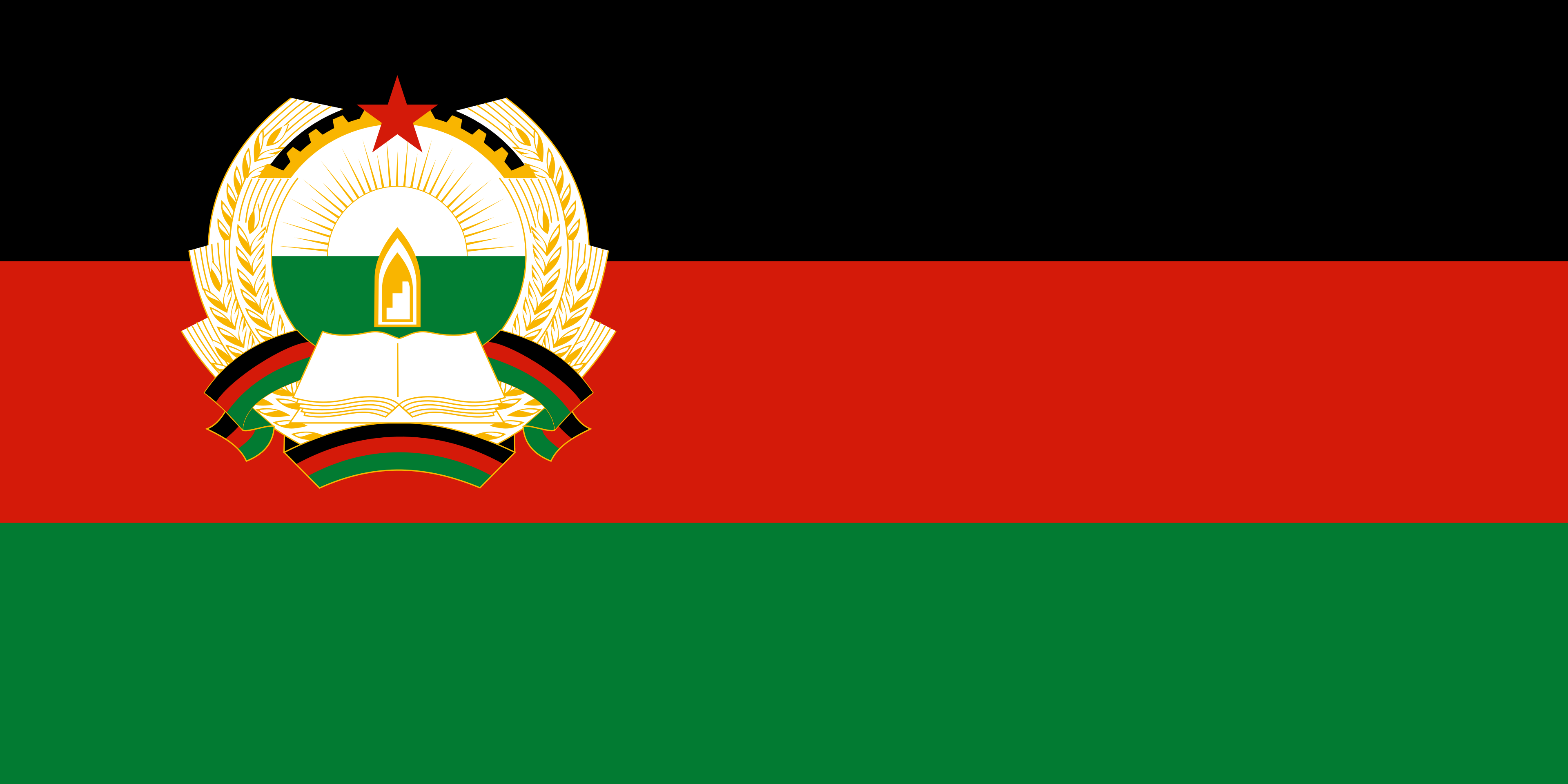
Later, black, red and green returned, but the emblem now included a red star, a cogwheel, a book, and other elements of socialist symbolism.
Toward the end of communist rule, some of these symbols were gradually removed.
The Mujahideen
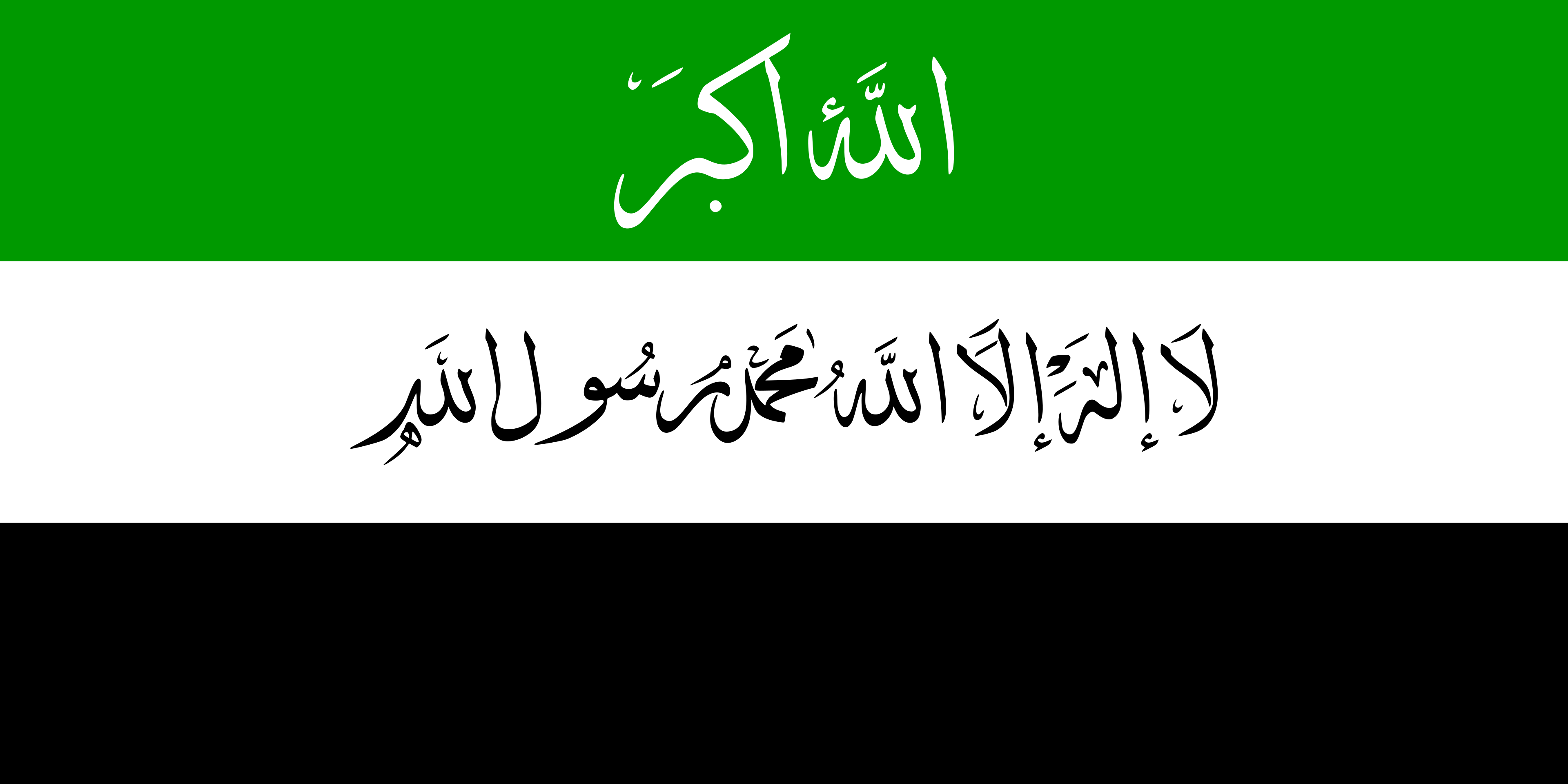
When the communist government fell in 1992, the victorious mujahideen abandoned the old tricolour.
The new flag became horizontal:
green - white - black.
It carried Allahu Akbar and the shahada, the Islamic declaration of faith:
“There is no god but Allah, and Muhammad is the Messenger of Allah.”
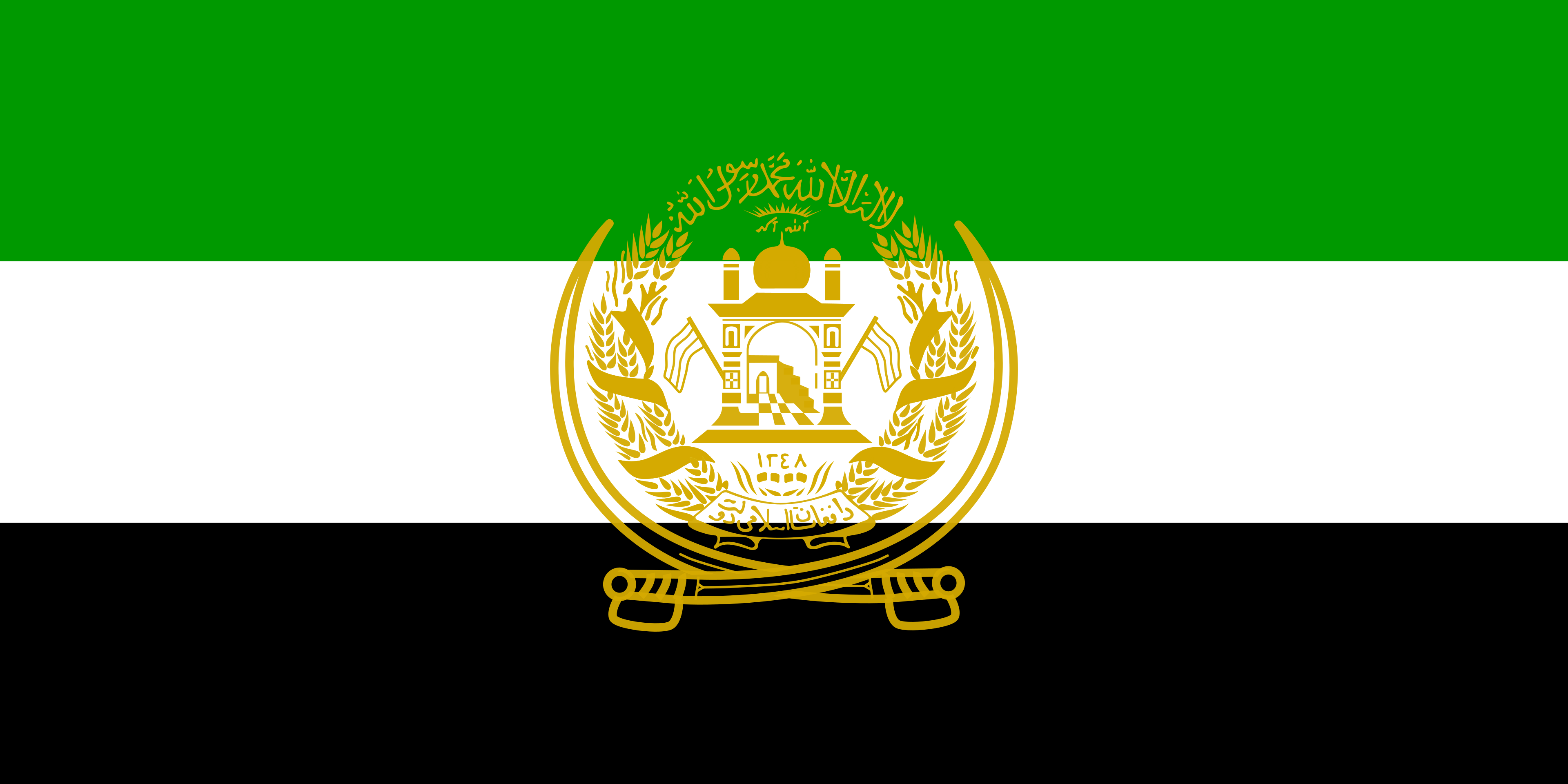
Later, a golden emblem was added in the centre, featuring a mosque, wheat, and crossed swords - a symbol of the mujahideen victory.
But this flag did not last long either.
And Then the White Banner Appeared
In 1996, the Taliban captured Kabul.
Its first flag was almost shockingly simple:
a plain white banner.
In 1997, the shahada was added in black.
This was the flag used by the first Islamic Emirate of Afghanistan from 1997 to 2001.
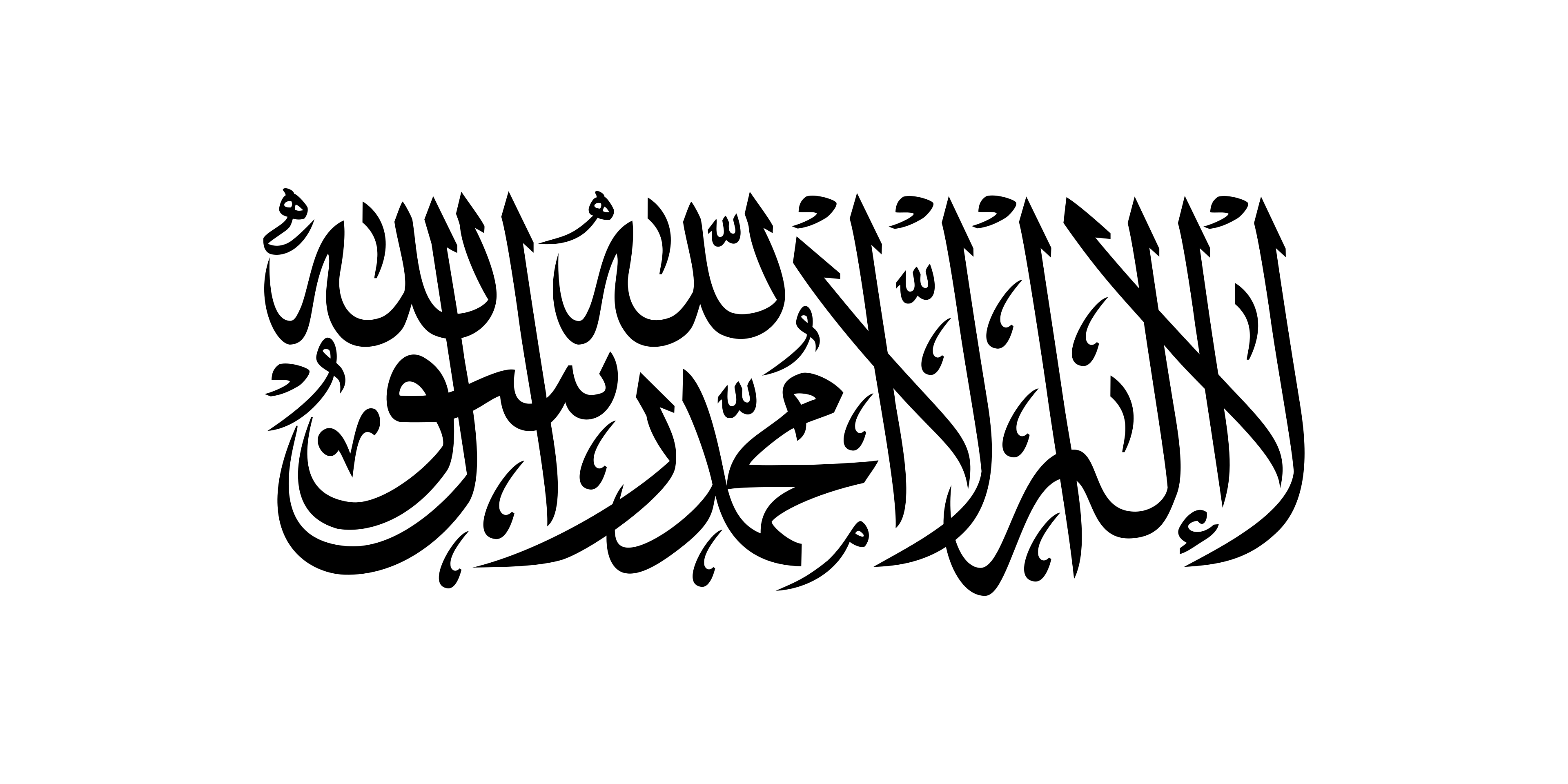
In Taliban symbolism, white was interpreted as a sign of purity of faith and rule.
But something else is even more important: almost everything that recalled the Afghan monarchy, the republic, ethnic identity, or historical state symbols disappeared from the flag.
What remained was only a religious formula.
That captures the Taliban’s political concept very well: the legitimacy of the state should come not from the nation, revolution, or constitution, but from Islam as the movement understands it.
And Then the Tricolour Returned
After the fall of the first Taliban regime in 2001, Afghanistan once again returned to the black-red-green flag.
The final version used by the Islamic Republic had three vertical stripes and a white emblem in the centre.
It included:
a mosque with its mihrab facing Mecca;
the shahada;
a wreath of wheat;
the name Afghanistan;
the number 1298 - the year in the Solar Hijri calendar corresponding to 1919, the year of Afghan independence.
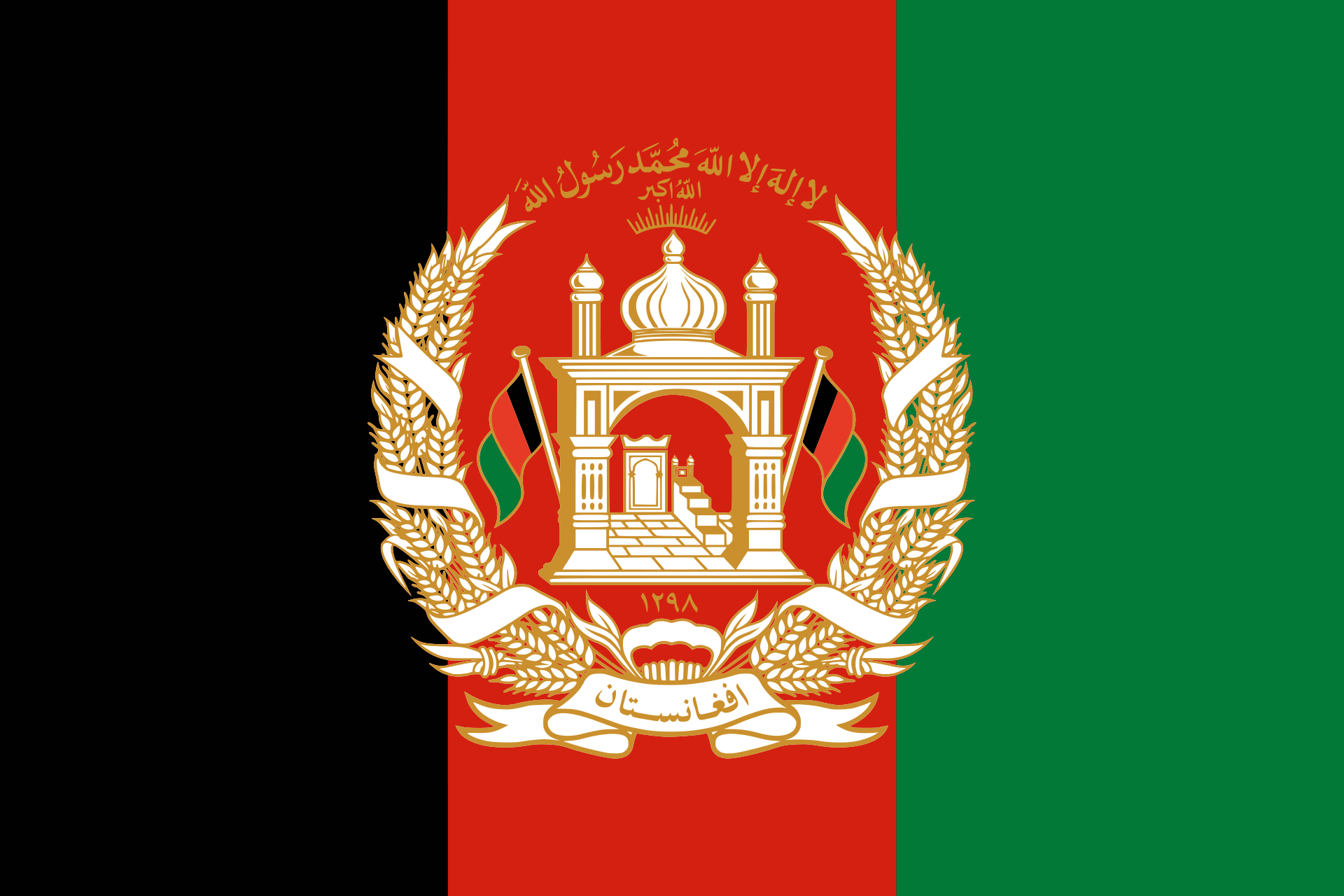
In this way, the republic’s flag tried to contain Islam, independence, and modern Afghan statehood all at once.
So What Is Afghanistan’s Flag Today?
After the Taliban captured Kabul again on 15 August 2021, it restored the white flag of the Islamic Emirate:
a white field with the shahada in black.
This is the flag that today flies over government buildings in Afghanistan.
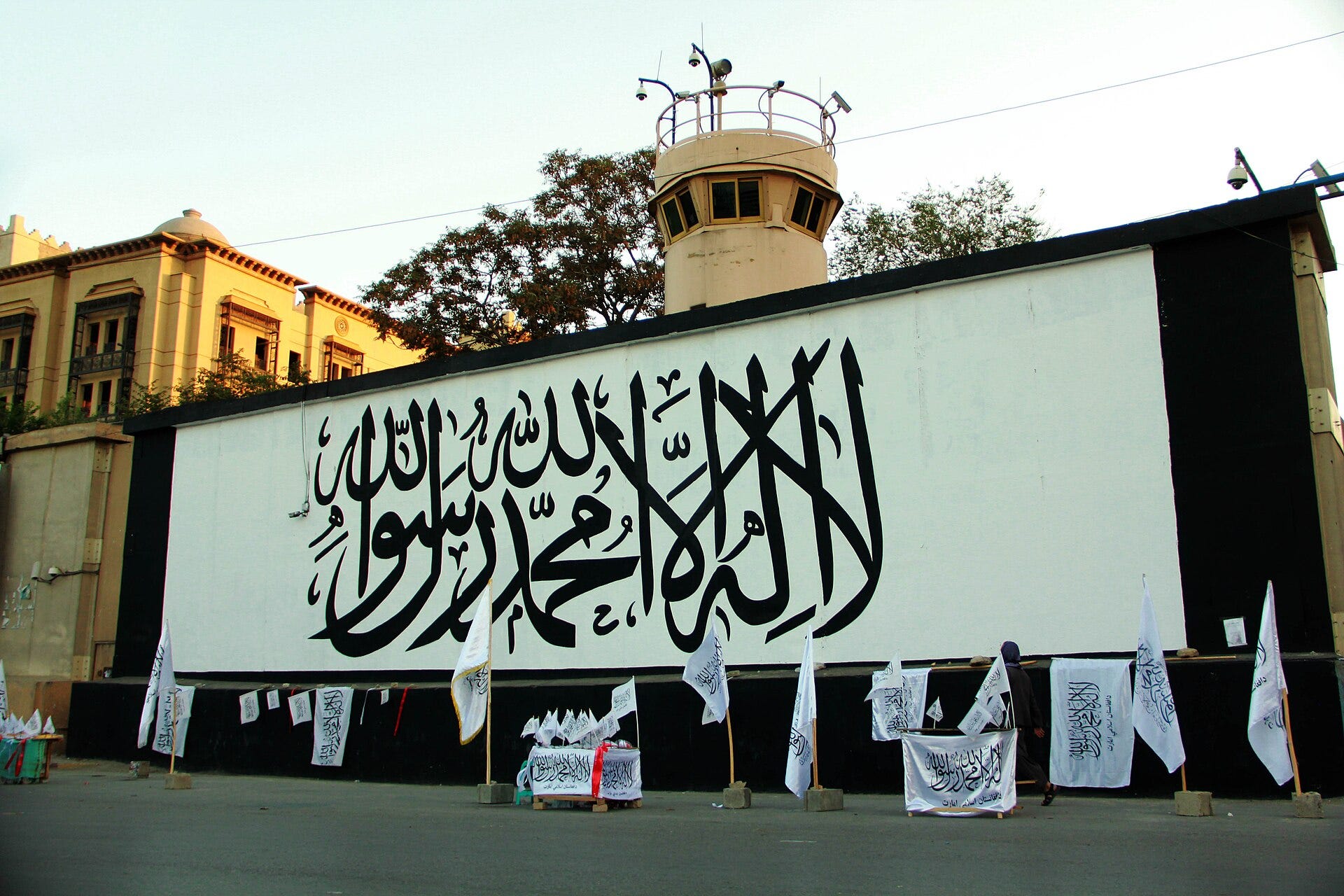
But this is where an interesting legal and political contradiction begins.
The Taliban effectively controls the country, but as of August 2026 its government remains almost entirely unrecognised internationally.
Russia became the first - and so far the only - state to formally recognise the Taliban government in July 2025.
At the same time, the Taliban still does not hold Afghanistan’s seat at the United Nations; there, the country continues to be represented by a diplomatic structure originating from the previous republic.
And the old black-red-green tricolour has not disappeared.
It continues to be used by Afghans in exile, opponents of the Taliban, and in many international contexts.
After 2021, it effectively became a symbol of another idea of Afghanistan as well.
So today there are, in a sense, two Afghan flags:
white - the flag of the authority that actually controls the country;
black-red-green - the flag of a state that no longer exists, but whose idea has not disappeared.
And perhaps this constant change in Afghanistan’s state symbols reflects the broader tragedy of Afghan uncertainty.
Every new regime tried not merely to change the flag - it tried to answer again the question of what Afghanistan is and who has the right to speak in its name.
So the history of these flags is not really a history of colours.
It is the history of an endless struggle over the identity of the country itself.