


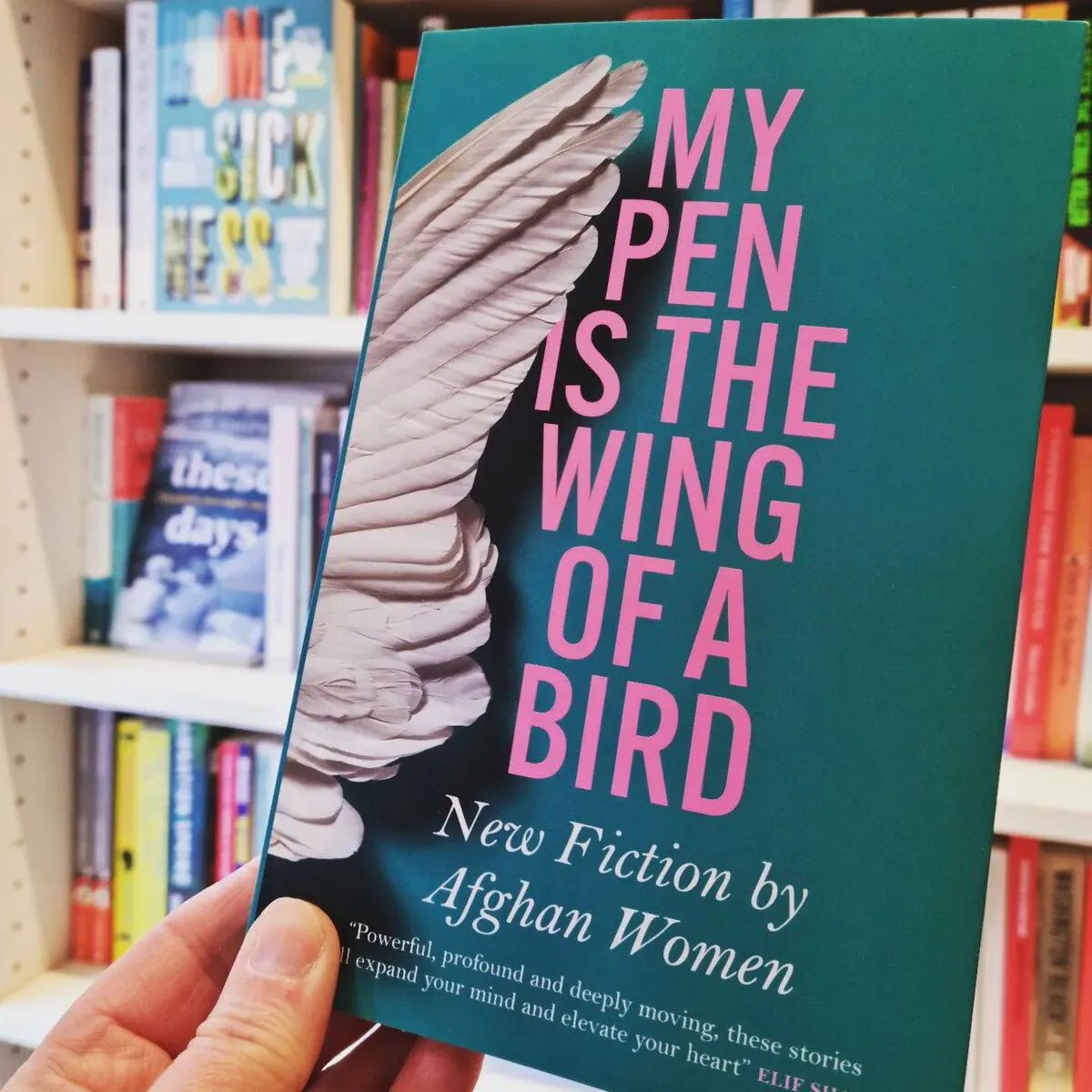
The next book I chose as part of my journey through contemporary Afghan literature was My Pen Is the Wing of a Bird: New Fiction by Afghan Women, a collection of short stories written by Afghan women and translated into English from Afghanistan’s two main languages, Dari and Pashto.
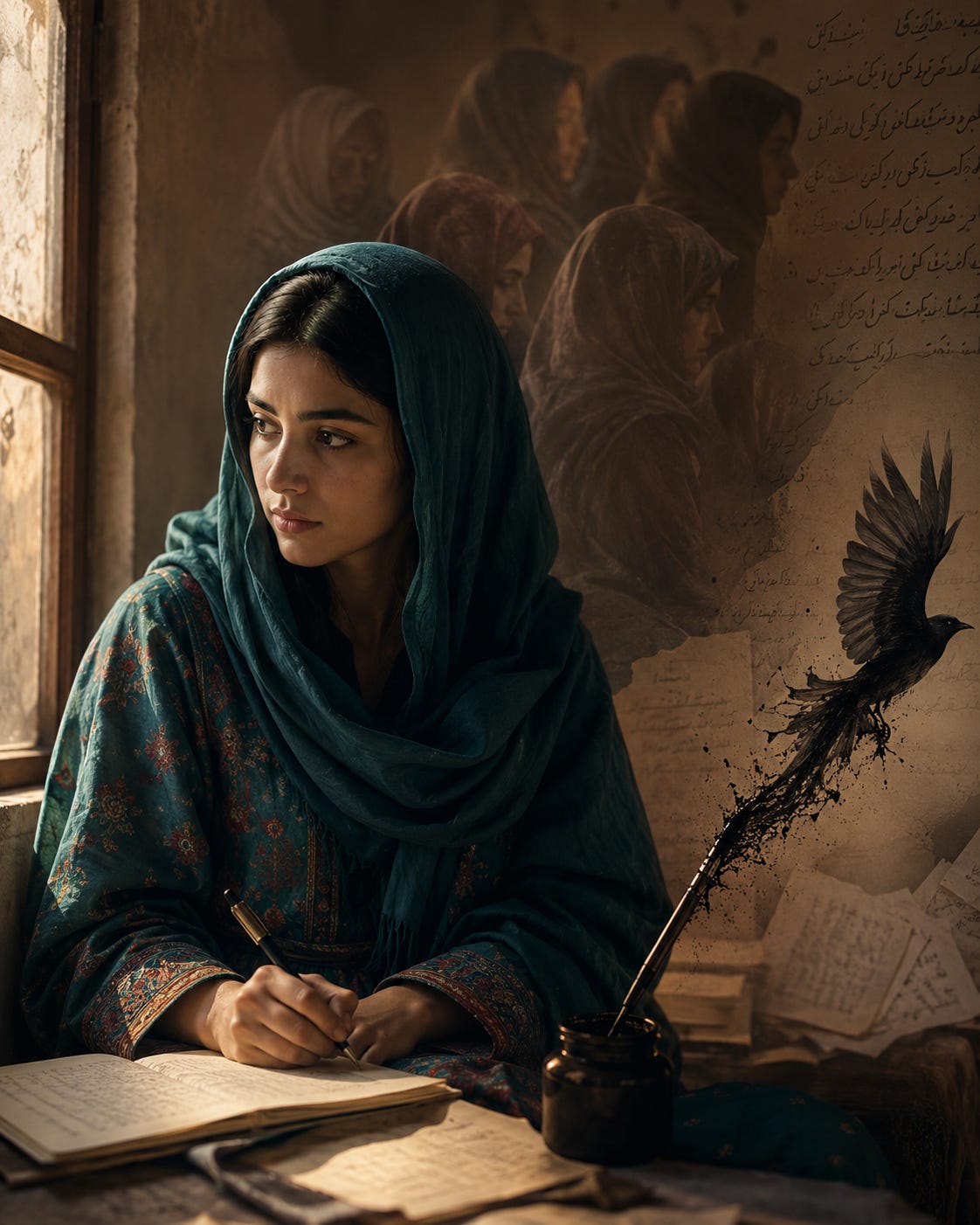
Most of the women in this anthology are not internationally famous writers. But perhaps that is exactly what makes the book so important.
Given the position women have traditionally occupied in Afghanistan’s social and cultural life, speaking publicly - let alone publishing your writing - can be far more than unusual. In some circumstances, it can be physically dangerous.
The simple fact that these women chose to put their thoughts into words and make them public is therefore remarkable in itself. Some had to write under pseudonyms. That alone tells you something about the conditions in which these stories came into being.
And it makes me admire and respect their authors all the more.
I do not particularly want to judge each story here by conventional measures of literary craftsmanship. For me, that was not the most important part of reading this book.
What mattered much more was hearing - and trying, however imperfectly, to understand - the voices of people whom social tradition has so often denied even the most basic right to have a voice of their own.
There is so much pain, grief, anxiety and helplessness in these stories that at times I found them difficult to read.
Some feel like a scream. Others like a stifled moan.
And many remain in your mind like sharp fragments long after you have finished reading.
What makes them especially disturbing is the feeling that these stories may not be entirely fictional at all. They often read less like invented narratives and more like reflections of real events, real experiences and very real human lives.
That awareness can make the reading almost physically uncomfortable.
Because behind a few pages of fiction, you begin to imagine a woman whose life may have looked very much like this. A girl who may have experienced something similar. A family in which such suffering was not exceptional, but simply part of everyday life.
Reading these deeply personal stories of people who have been hurt, silenced and deprived of so much was painful for me.
But it was also an important experience.
A book like this makes you realise more clearly how immense human suffering can be - and, perhaps even more frighteningly, how ordinary it can become.
And at the same time, it reminds you how much strength it can take simply to continue living.
To endure pain.
To hold on to your dignity.
To keep some hope alive.
And to believe that even in the darkest circumstances, your voice still matters.