


About World on Bookshelf
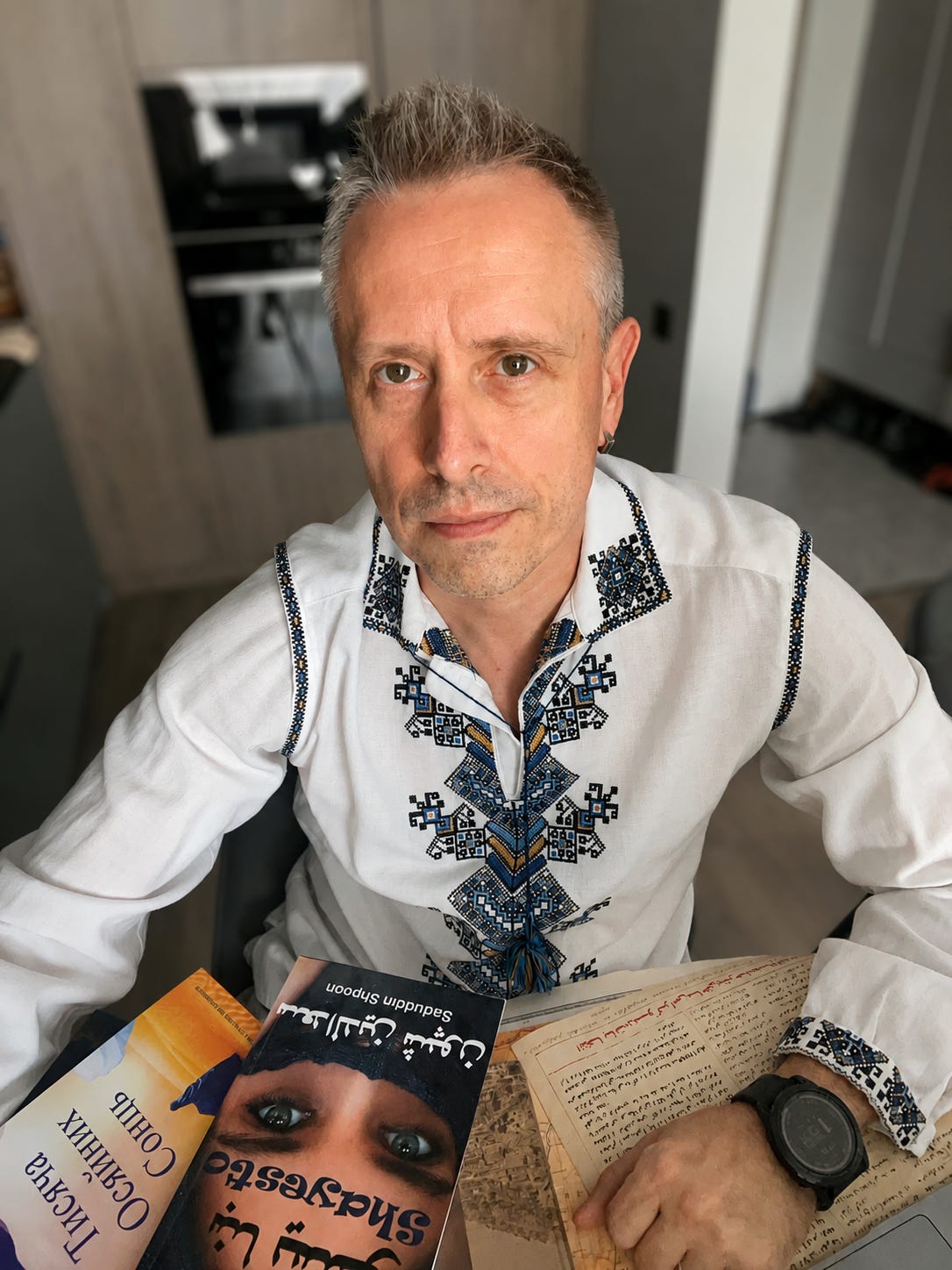
World on Bookshelf is a long-term reading, research and collecting project about understanding countries through books — and, increasingly, through the people behind them.
I move through the world country by country, broadly in alphabetical order.
But I do not read one “representative” book about a country and move on.
I stay for a while.
I read different voices. I follow references from one book into another. I look for memoirs, fiction, history, poetry, journalism and forgotten texts. I compare insiders with outsiders, women with men, writers at home with writers in exile, people who agree with one another and people who profoundly do not.
A country may begin with three books and eventually become twenty.
That is part of the idea.
The project keeps an open shelf — a public register of every book that belongs to it: what has been read, what is waiting in the queue, what language the original was written in, and whose voice the country is spoken in: a local author writing for their own readers, a local author writing outward for a foreign audience, or an observer from outside.
It holds 75 books from three countries, written in ten original languages; 52 of them have been read. The shelf can be browsed by country, by language and by type of voice — and then you can watch a country being assembled book by book, instead of being represented by one “representative” volume.
Why this project exists
One book can create the illusion that we have understood a country.
Several books begin to reveal something more interesting: contradictions.
Different memories. Different languages. Different versions of history. Different ideas of home, identity, faith, war, belonging and exile.
World on Bookshelf is not an attempt to say:
“Now I understand this country.”
That would be impossible.
It is an attempt to build something closer to a literary dossier — a layered portrait assembled from many voices.
To understand what a country remembers.
What it argues about.
What it has lost.
What it fears.
What it mythologises.
And what is often invisible behind political headlines, wars, maps and tourist clichés.
How I read a country
For every country, I try to build a small — and sometimes not so small — bookshelf.
I look for:
fiction and non-fiction;
classic and contemporary works;
memoirs, history, poetry and reportage;
voices from different generations and social backgrounds;
writers living inside the country and in diaspora;
books available in Ukrainian or English, and occasionally in other languages;
older works that have fallen into the public domain and deserve to be rediscovered;
at least one physical book from each country for my own growing library.
The physical collection matters to me.
The idea is simple:
to collect the world not through souvenirs, but through books.
But the project has gradually become more than a collection.
Beyond the books
Something unexpected began to happen as the project developed.
Sometimes, after reading a book, I found myself wanting to ask the person behind it a question.
And occasionally, that person answered.
A book then stopped being only an object on a shelf and became a doorway to a conversation.
This has opened another direction for World on Bookshelf: direct contact with authors, translators and other people whose voices help us understand a country.
Where possible, the project may therefore include:
conversations with authors;
short interviews and correspondence;
messages from writers to readers in other countries;
authorised translated extracts;
new translations of public-domain works;
stories about how a book, a translation or a conversation came into being.
For me, this is becoming one of the most valuable parts of the project.
Books allow us to encounter voices.
Sometimes we can also answer them.
What you will find here
World on Bookshelf will gradually become an archive of:
the open and living register of every book in the project — with countries, original languages and types of voice;
country reading dossiers;
essays about individual books;
reading lists and the reasoning behind them;
literature, history and cultural context;
translations and authorised excerpts;
forgotten or hard-to-find public-domain texts;
conversations with authors and other voices connected to the books;
places, maps and visual stories that help explain the world around the literature;
notes on language, translation and cultural misunderstandings;
stories about building a physical library of the world;
reflections after spending months — or sometimes much longer — reading a particular country.
The project begins with Afghanistan.
Others will follow.
There is no fixed deadline and no realistic expectation that the whole world can ever truly be “completed”.
I think that is part of its appeal.
This is intended to be a lifelong project.
What this is not
This is not an academic encyclopaedia.
It is not a ranking of the “100 best books in the world”.
And it is not a challenge to tick countries off a list as quickly as possible.
I am not reading countries to complete them.
I am reading because I want to stay with them long enough for the simple picture to become complicated.
Why subscribe
Subscribe if you are interested in:
world literature beyond the usual canon;
books from countries we rarely read about;
history and culture approached through personal voices;
literary journeys without tourist clichés;
translation and the movement of books between languages;
forgotten texts and unusual archives;
physical books, private libraries and the pleasure of collecting;
conversations that sometimes begin after the last page of a book.
New essays and discoveries will arrive directly in your inbox.
No algorithm required.
The guiding principle
I still believe in the simplest version of the idea:
Read the world through books.
Country by country.
Voice by voice.
Book by book.
Shelf by shelf.
And sometimes, when a book opens the door —
step through it and meet the person on the other side.
